
Yosef HaTzaddik zt"l
הרב יוסף בן יעקב הצדיק זצ"ל
Tammuz 1 , 2309
Yosef HaTzaddik zt"l
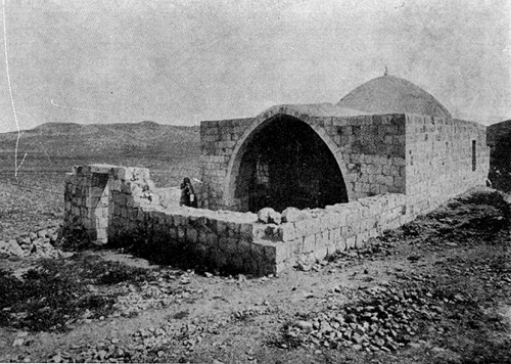
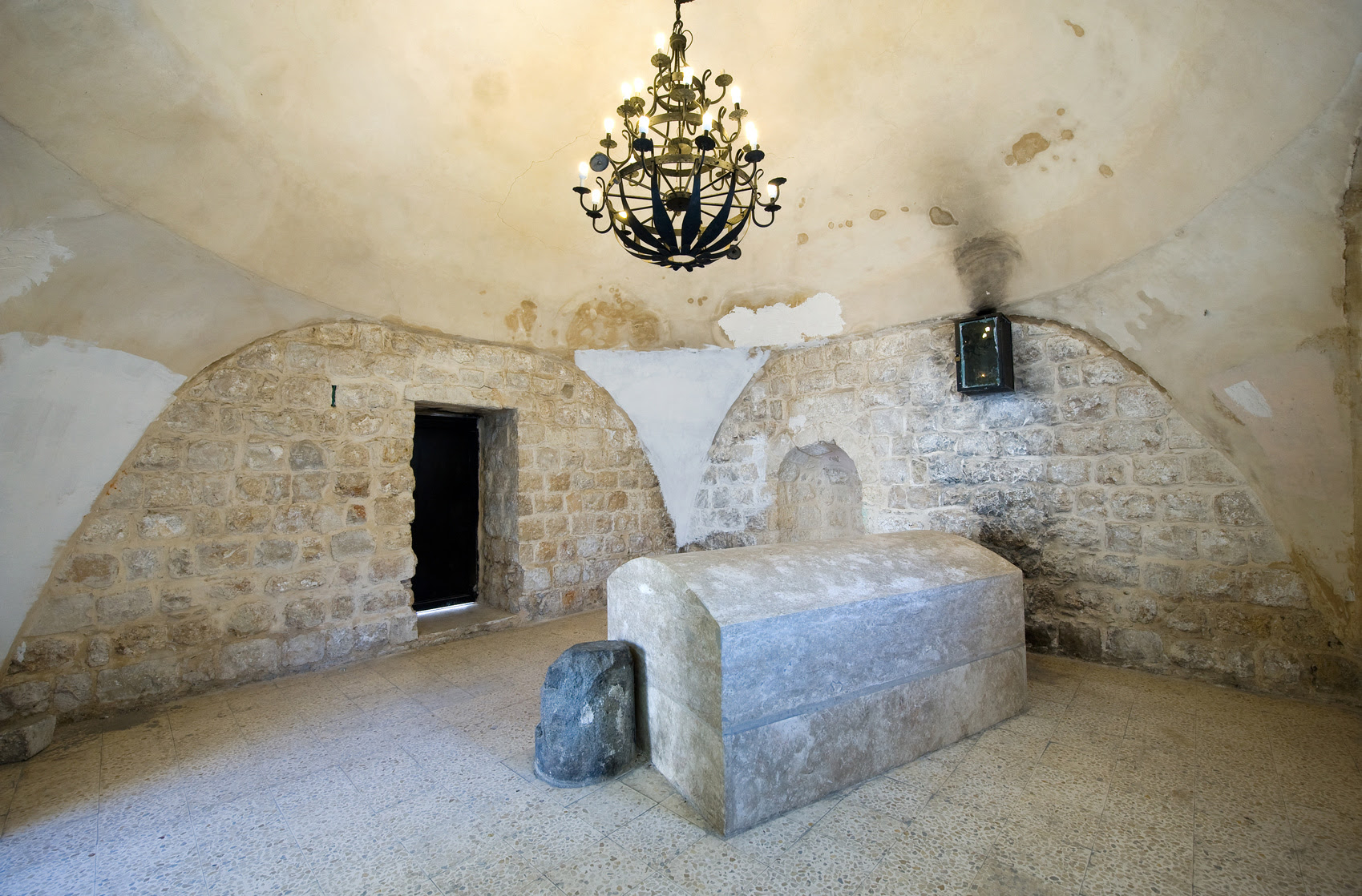
Son of Yaakov and Rachel, eleventh of the Twelve Tribes. As the oldest son of his favored wife, Yaakov loved him dearly and gave him preferential treatment, causing Yosef's brothers to envy him and sell him into slavery. He descended to Mitzrayim, where, after enduring slavery and prison, he interpreted Pharaoh’s puzzling dreams and became viceroy of the land. During the famine that followed he brought his family down to Mitzrayim, setting the stage for their slavery and ultimately their geulah. Buried in Yosef’s Kever in Shechem.
https://www.chabad.org/search/keyword_cdo/kid/2224/jewish/Joseph.htm
Divrei Torah of Yosef HaTzaddik zt"l

THE TWELVE TRIBES: BIRTHDAYS AND YAHRZEITS
1. The birth dates of the twelve tribes are recorded in Midrash Tadshe (Chapter 8) and the beginning of Yalkut Shemoni Shemos as follows:Reuven: 14 Kislev. He lived until age 125 (others say 155).
2. Shimon: 21 Teves (28 Teves according to the Yalkut). He lived 120 years.
3. Levi: 16 Nissan. He lived 137 years.
4. Dan: 9 Elul. He lived 125 years.
5. Yehudah: 15 Sivan; 119 yearsNaftali: 5 Tishrei (according to the Aishel Avraham, based on Rabbeinu Bachaye, Seder HaDoros, Siddur Nehora and Yalkut). Others say he was born in Sivan. He lived 133 years.
6. Gad: 10 MarCheshvan (according to the Aishel Avraham, based on Rabbeinu Bachaye, Seder HaDoros, Nehora and Yalkut). Others say he was born in Tishrei. He lived for128 (125) years.
7. Yissachar: 10 Av; 122 years.
8. Asher: 20 Adar (other say 20 or 22 Shevat, based on Yalkut or Shalshales Kabbalah). He lived 123 years (others say 126 years; see Seder Olam Zuta).
9. Yosef: 21 of Tishrei (1 Tammuz according to Zayis Raanan); 110 years.
10. Zevulun: 7 Tishrei; 114 (or 110) years (missing in Tadshe, added by Aishel Avraham based on Rabbeinu Bachaye. Also appears in Yalkut)
11. Binyamin: 11 MarCheshvan; 109 years (others say 111 (115 years old) (missing in Tadshe, added by Aishel Avraham based on Rabbeinu Bachaye and Seder Olam Zuta. Also appears in Yalkut).
Their dates of death were not recorded because we assume that they surely died on the same date as their birthdays, as it says, “Hashem ensures (and fulfills that) the days of the tzaddikim are full from day to day,” [Rosh Hashanah 11a (cited by gloss of Aishel Avraham; see Midrash Tadshe as well as Rav Yaakov Emden in his Siddur].
The Ya’avetz adds there that whenever an event in Tanach takes place in a designated month with no date noted, the rule is that we refer to the first of the month since, “the pasuk always explains and reveals, rather than hides,” (Rashi, Vayeira 21:34). As mentioned above, for example, Yosef is noted as born and passed away on Rosh Chodesh Tammuz.
The Midrash Yalkut Shemos concludes that, “Iyar and Shevat are for Ephraim and Menashe.”
Zayis Ra’anan comments there that Yosef was born in Tammuz and Asher in Adar.
The Midrash Tadshe concludes: “Levi was the eldest and Yosef the youngest, and all of the tribes had descendants that were judges and kings except for Shimon, who had Zimri as a descendant and whose immoral, licentious act of sin caused them to be punished and have no judges or kings as descendants. This comes to teach us the severity of immoral behavior and zenus.”
Segulos of Yosef HaTzaddik zt"l
Since these are the last parshiyos of the story of Yosef HaTzaddik and he was the Ba’al HaChalomos – the Dream Master – here are some segulos related to dreams:
The Segulos Yisrael cites the Shaarei Emuna, who tells us in the name of the Neshchizer that whoever has bad dreams, especially if they result in impurity, he would tell the average person to give eighteen coins of the denomination of currency of that country to the kuppa (charity) of Rebbe Meir Ba’al HaNess and eighteen additional coins secretly to tzedoka where the donor and recipient do not know each other – known as matan be’seser. A wealthy individual he would advise to give two times that amount, thirty-six coins to tzidkas Rebbe Meir Ba’al HaNess and thirty-six coins to matan be’seser charity.
Regarding fasting for dreams, the Segulos Yisrael cites the opinion of Rav Mendel of Lubavitch, author of Tzemach Tzedek, cited in nachlas avos, that in earlier generations, whose dreams were closer to prophecy, it made sense to fast for negative dreams. In our generation, however, when most of our dreams are full of nonsense, there is no need to fast; the Segulos Yisrael concurs.
In Parshas Teruma, the Noam Elimelech teaches us that the reason we recite the tefilla for good dreams during Bircas Kohanim is because the berocha of the Kohanim is true prophecy and we are therefore forbidden to gaze at their hands when they bless, for the Shechina rests on them at that time. The Gemora, in Berochos, tells us that dreams are a sixtieth of prophecy, so when the Kohanim bless us through prophecy, it has the power to nullify and cancel any negative dreams, since all things are nullified be’shishim– one in sixty.
The pasuk in parashas VaYechi says:
בֵּן פֹּרָת יוֹסֵף בֵּן פֹּרָת עֲלֵי־עָיִן בָּנוֹת צָעֲדָה עֲלֵי־שׁוּר
The literal translation of the pasuk is something like “Yosef is a fertile vine or bough, a fruitful vine or bough by a spring, Its branches run over a wall.” Based on Rashi the translation should be more like: A charming or graceful son is Yosef, a son charming to the eye; the women or girls, strode along to see him and gaze upon him." Or "A son of grace is Yosef, he is a charming child, a beautiful child by the spring —the girls mounted the wall or stepped onto the rocks (to gaze at him)." (Bereishis 49:22)
Rashi (ad. loc. s.v. Shur): "They [the Rabbis] interpreted it (עִלֵי שׁוּר) further as referring to the idea that the evil eye should have no influence over his [Yosef's] descendants. Also, when he [Yaakov] blessed Menasheh and Efraim, he blessed them [that they should be] like fish, over which the evil eye has no influence or sway."
Based on our pasuk the Talmud Bavli teaches us that:
Someone who enters a city and fears the evil eye should hold the thumb of his right hand in his left hand and the thumb of his left hand in his right hand and recite: I, [insert Hebrew name son of Father's Hebrew name], descend from Yosef, over who the evil eye has no control or sway, as it is says: “Yosef is a fruitful vine (Ben poras Yosef), a fruitful vine by the spring (alei ayin); its branches run over the wall.” (Bereishis 49:22) Do not read these words as alei ayin (by the spring); but rather, read it instead as olei ayin (who rises above the eye) — then the evil eye has no control or sway over him.
Rabbi Yosei, the son of Rabbi Chanina, said: Derive it from here instead, from what is stated regarding Yaakov’s berachah given to Yosef’s sons: “May they multiply like fish into a vast number in the midst the land” (Bereishis 48:16) Just like fish in the sea are concealed and covered up by water and therefore evil eye has no control over them since they cannot be seen, so too, the evil eye has no control over the offspring of Yosef either. Now, if he is concerned that his own evil eye, should not harm anyone else, then he should look at the side of his left nostril.
And if you wish, say instead: Yosef’s eye, which did not seek to feast on that which was not his, Potiphar’s wife, the evil eye has no dominion over him. (Gemara Berachos 20a, Berachos 55b)